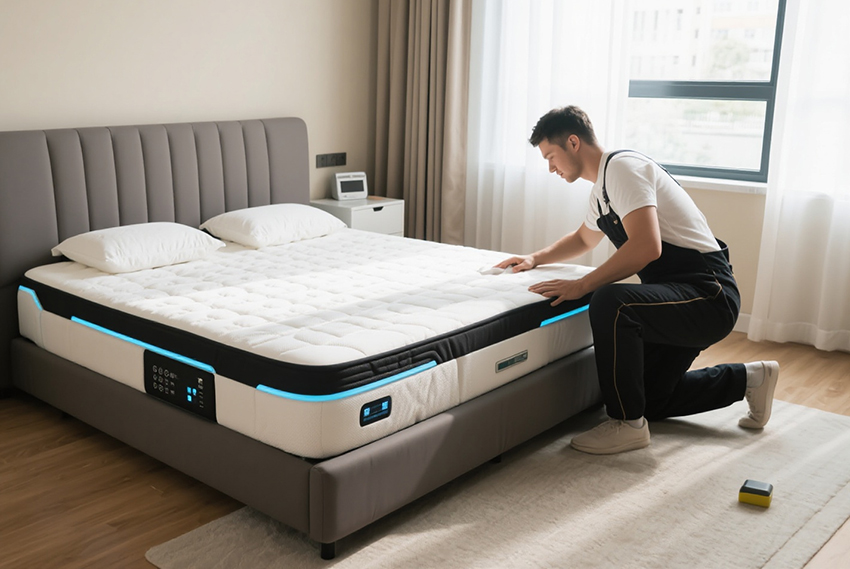
Do Smart Beds Really Improve Sleep Quality?

Do Smart Beds Really Improve Sleep Quality?
Yes, smart beds can improve sleep quality by providing adjustable support, reducing snoring, tracking sleep data, and personalizing comfort. However, results vary depending on individual needs and how consistently features are used.
What Is a Smart Bed?
A smart bed combines traditional bedding comfort with advanced technology like sensors, motors, and IoT connectivity. Unlike a standard bed, it can adjust to your posture, track your sleep patterns, and connect with apps or smart home devices.
Core features that affect sleep quality include:
-
Adjustable head and foot positions
-
Zero-gravity and anti-snore modes
-
Massage and relaxation functions
-
Temperature or lighting integration via apps
How Do Smart Beds Improve Sleep Quality?
Adjustable Positions for Better Spinal Alignment
Smart beds let you elevate your head and feet, which reduces pressure on the spine and joints. This leads to fewer aches and deeper rest.
Snoring and Breathing Relief
Anti-snore modes elevate the head slightly to open the airways, helping with snoring and mild sleep apnea. This not only benefits the sleeper but also their partner.
Circulation and Muscle Relaxation
Zero-gravity positions and massage features improve blood flow and help muscles recover, especially for people who sit or stand for long hours.
Sleep Tracking Data
Built-in sensors monitor movement, breathing, and sometimes heart rate. Sleep reports give insights into sleep cycles, helping you identify habits that disturb rest.
Pros of Smart Beds for Sleep Quality
-
Personalized comfort for different sleep styles
-
Dual-zone adjustments for couples
-
Relaxation features that promote deeper rest
-
Data-driven insights to improve routines
-
Integration with other smart devices for a sleep-friendly environment
Cons of Smart Beds for Sleep Quality
-
High cost compared to traditional mattresses
-
Sleep tracking accuracy may vary
-
Requires consistent use of features to see benefits
-
Potential maintenance for motors and electronics
Who Benefits Most from Smart Beds?
-
People with back or neck pain – posture alignment reduces discomfort.
-
Snorers or sleep apnea patients – anti-snore settings improve breathing.
-
Couples – dual-zone allows independent adjustments.
-
Seniors or rehabilitation users – easier mobility and circulation support.
-
Tech enthusiasts – enjoy smart home integration and detailed data.
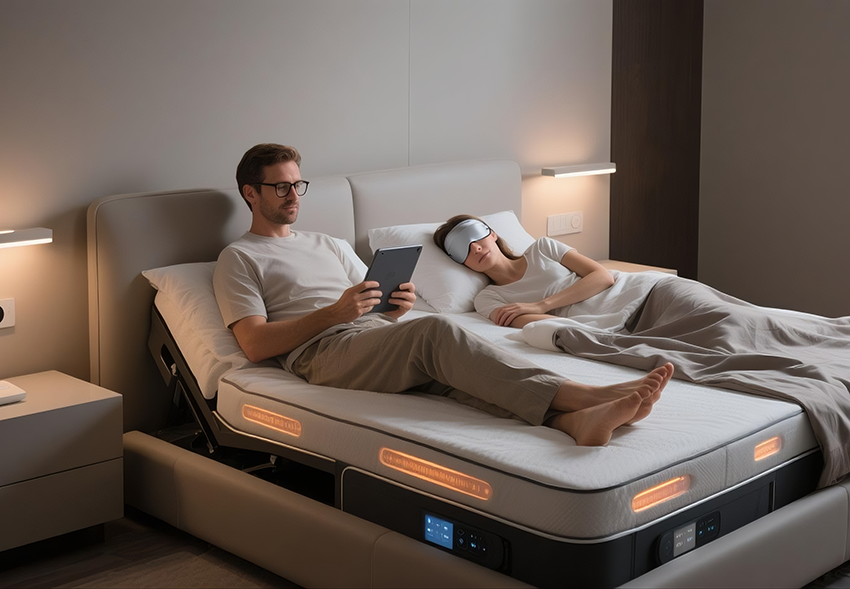
Do Smart Beds Really Improve Sleep Quality?
-
Yes, for many users: Smart beds improve comfort, reduce snoring, and provide better posture support.
-
Not for everyone: If you already sleep well, you may not notice dramatic changes.
-
Overall: Smart beds provide meaningful improvements for people with sleep issues, health concerns, or those who want a personalized sleeping experience.
FAQ – Smart Beds and Sleep Quality
Q: Are smart beds scientifically proven to improve sleep?
Some studies show benefits for posture, snoring, and circulation, though results depend on individual conditions.
Q: Do sleep tracking features really work?
Yes, but accuracy varies by brand. Data is most useful for identifying sleep patterns and making lifestyle changes.
Q: Can smart beds help with insomnia?
They can improve comfort and relaxation, but insomnia often requires behavioral or medical treatment.
Q: Are smart beds good for side sleepers?
Yes, adjustable positions and memory presets help side sleepers reduce hip and shoulder pressure.
Q: Do smart beds help couples sleep better?
Yes, dual-zone smart beds let each partner adjust their side independently, reducing conflicts over comfort.
Related Articles
How Much Do Smart Beds Cost in 2025?
Smart Bed vs Traditional Bed: Which Should You Choose?
Related Article