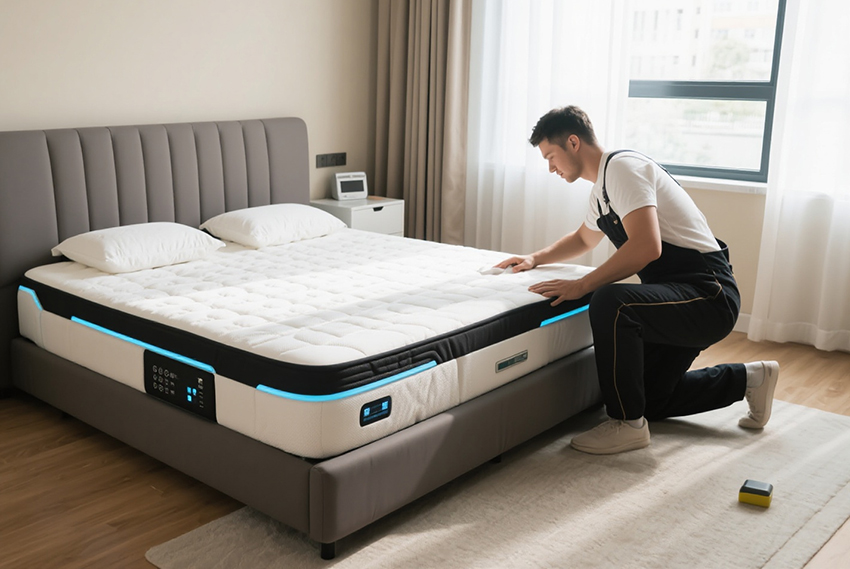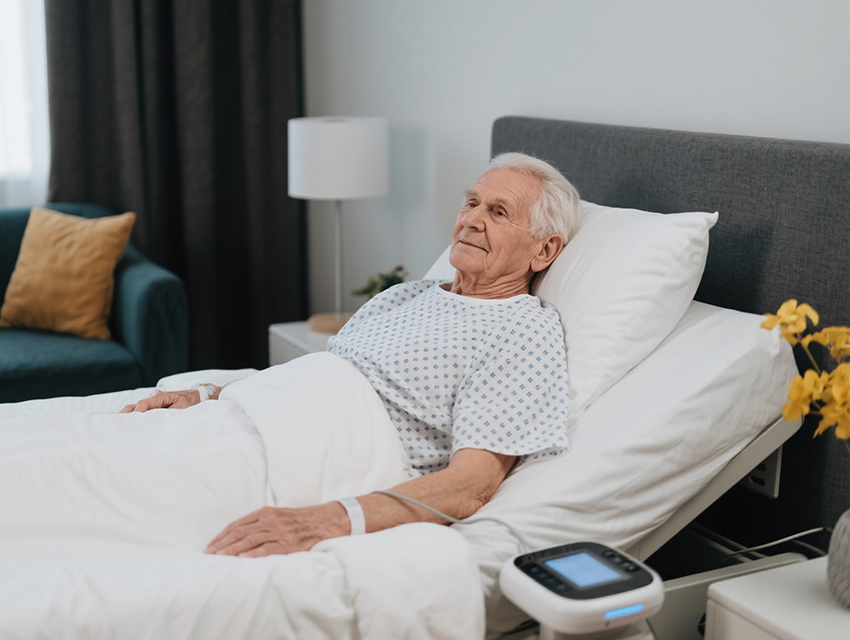
Are Smart Beds Good for Seniors and Patients?

Are Smart Beds Good for Seniors and Patients?
Yes, smart beds are very beneficial for the elderly and patients. As the elderly age, they may have difficulty getting up due to muscle atrophy. Smart care beds can effectively solve this problem. In addition, high-end care beds also offer assistance in turning the back, health monitoring, and holes in the bed for convenient urination and defecation.
What Is a Smart Bed for Seniors and Patients?
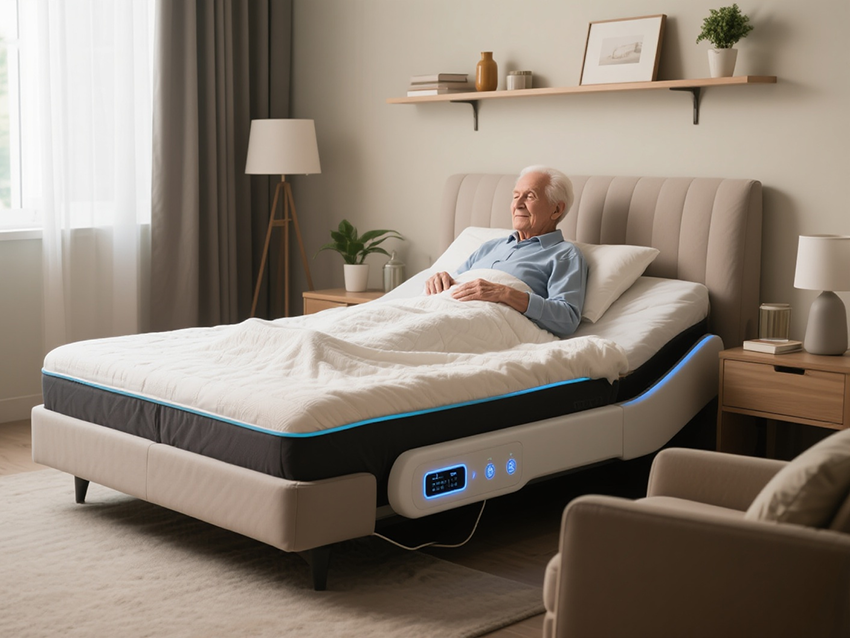
A smart bed is an advanced bed with motorized adjustability, sensors, and comfort features. For seniors and patients, these functions go beyond comfort — they can play an important role in daily health and safety.
Key features include:
-
Adjustable head and foot positions
-
Massage functions for circulation and muscle relief
-
Sleep tracking sensors for caregivers and self-monitoring
-
App or remote control for easier use
-
Safety alarms and emergency backup power in medical-grade models
How Do Smart Beds Help Seniors?
Easier Mobility and Independence
Adjustable positions help seniors sit up, get in and out of bed, or change posture without strain.
Improved Circulation and Pain Relief
Zero-gravity positions improve blood flow, while massage functions relieve stiffness in muscles and joints.
Support for Respiratory Health
Anti-snore settings slightly elevate the head, reducing breathing difficulties and mild sleep apnea symptoms.
Better Sleep Quality
Personalized comfort and adjustable presets help seniors find positions that reduce discomfort and promote deeper rest.
How Do Smart Beds Benefit Patients?
Post-Surgery Recovery
Adjustable angles reduce strain on surgical sites and support safe mobility.
Pressure Ulcer Prevention
Frequent repositioning options reduce the risk of bedsores for patients with limited mobility.
Monitoring and Caregiver Support
Some models track sleep, breathing, and movement, providing valuable insights for caregivers.
Rehabilitation Aid
Patients recovering from injury or illness can use adjustable features for safe exercise, rest, and assisted mobility.
Pros of Smart Beds for Seniors and Patients
-
Personalized comfort and posture support
-
Easier mobility and independence
-
Reduced snoring and better breathing support
-
Pressure ulcer prevention for bedridden patients
-
Enhanced caregiver monitoring and safety features
Cons of Smart Beds for Seniors and Patients
-
Higher cost compared to standard beds
-
Requires electricity and may need backup power
-
Electronics may need maintenance over time
-
Some seniors may face a learning curve with controls
Are Smart Beds Good for Seniors and Patients?
-
Yes, highly recommended: For seniors with mobility challenges, circulation problems, or sleep issues. Also very helpful for patients recovering from surgery or needing long-term care.
-
Not essential: For healthy seniors with good mobility who don’t need advanced features.
-
Conclusion: Smart beds can improve quality of life, comfort, and safety for many seniors and patients, making them a valuable option in 2025.
FAQ – Smart Beds for Seniors and Patients
Q: Do smart beds make it easier for seniors to get in and out of bed?
Yes. Motorized adjustments help raise the head or legs, reducing strain when sitting up or moving.
Q: Can smart beds help prevent bedsores?
Yes. Adjustable positions and frequent repositioning options reduce pressure points, lowering the risk of ulcers.
Q: Are smart beds safe for elderly people with heart or breathing problems?
Yes. Anti-snore and zero-gravity modes improve circulation and breathing, but always consult a doctor for serious conditions.
Q: How much do medical smart beds cost?
Medical-grade smart beds range from $5,000 to $12,000 depending on features and monitoring systems.
Q: Do smart beds require caregiver training?
Basic use is simple, but advanced monitoring functions may require caregivers to learn app or remote settings.
Related Articles
Best Smart Beds for Back Pain and Posture Support
How Much Do Smart Beds Cost in 2025?
Related Article